

Enterprises Stress-Test Cloud Security Platforms As Hybrid Deployments Scale In 2026
 By Ellie Goldman · Jun 8, 2026 · 2 min read
As enterprises migrate physical security systems to the cloud, large-scale deployments are revealing the operational tradeoffs of hybrid infrastructure, third-party integrations, and multi-site performance management. While cloud-native platforms promise simplified management and AI-driven insights, execution at scale depends on how effectively vendors balance edge processing, bandwidth constraints, and real-time orchestration.
In distributed enterprise environments, reliability hinges on minimizing latency without overloading WAN connections. This is particularly relevant where legacy and modern systems coexist, requiring hybrid connectivity models.
Edge-First Design In Mixed Environments
In response to a query from Security Guys News, Rickey Cox, VP of Product at Rhombus Systems, emphasized that the company’s architecture is designed to process as much as possible locally. “This is the core advantage of the modern cloud connected camera. Everything that can be local first, is local first including the stored video and AI processing which are all within 2 inches of the image sensor,” Cox said.
He explained that the cloud is used primarily for orchestration and heavier compute functions that would be impractical onsite. For legacy systems, video data is converted to a cloud-ready format as close to the source as possible using the company’s Relay product.
Cox added that operating in mixed environments has led Rhombus to build a redundant, fault-tolerant architecture that assumes connectivity may be inconsistent. “There are numerous health checks across the Rhombus architecture to notify customers when their system isn’t running within normal parameters which can include down internet, congested bandwidth, or other issues,” he said.
Integration Challenges Under Real-Time Pressure
Enterprise deployments often require integration with third-party access control or intrusion systems via APIs. According to Cox, the expectation of real-time synchronization can complicate these integrations. “Real-time generally means tightly coupled which can mean the opposite of third-party integrations,” he said, noting that the company dedicates in-house engineers to optimize API-based and built-in integrations in collaboration with partners to ensure reliability.
High-incident periods, when multiple alerts and system events occur simultaneously, can stress these integrations if not engineered carefully, making synchronization stability and error handling critical components of implementation.
Monitoring Scale And Performance
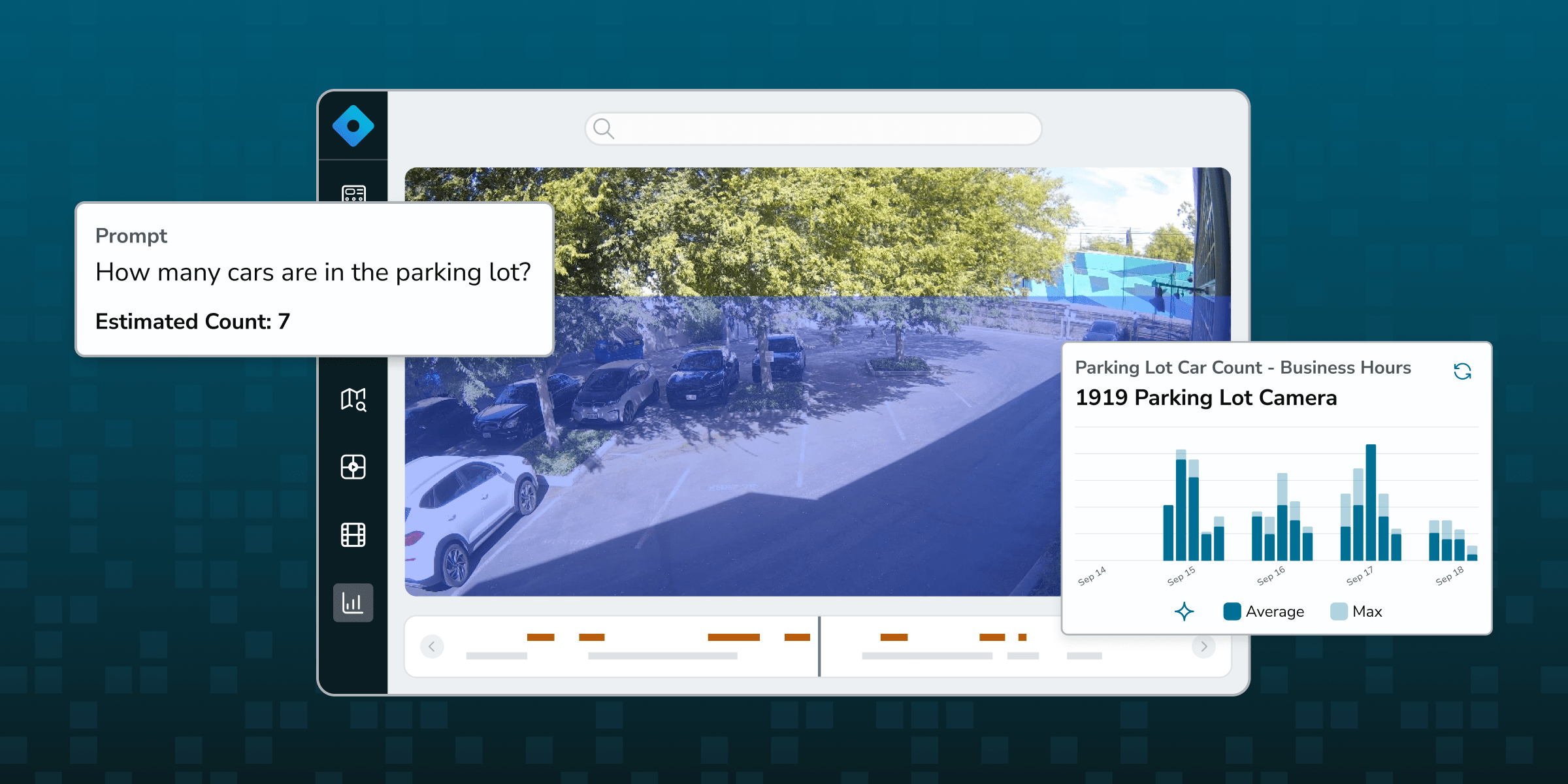
At scale, performance metrics become central to operational credibility. Cox said the company continuously monitors indicators such as alert processing latency, video streaming latency, and connected device uptime.
“We operate a high performance, high availability platform across the world,” he said, adding that the platform’s multi-cloud deployment enables it to dynamically scale based on real-time network load.
For enterprise security leaders, the transition to cloud-managed systems is less about abandoning on-premise hardware and more about managing complexity across hybrid estates. The effectiveness of edge-first processing, integration resilience, and scalable cloud orchestration will determine whether cloud adoption delivers operational reliability alongside expanded visibility.

From School Shootings to Stadium Safety: AI-Driven Screening Is the Next Layer of Physical Security
Sep 1, 2026
Minneapolis School Shooting Highlights Critical Role of Tactical Maps for First Responders
Aug 9, 2026