
NYPD Wrongful Arrest Puts Spotlight on Police Use of Facial Recognition
 By Freddie Bolton · Sep 2, 2025 · 2 min read
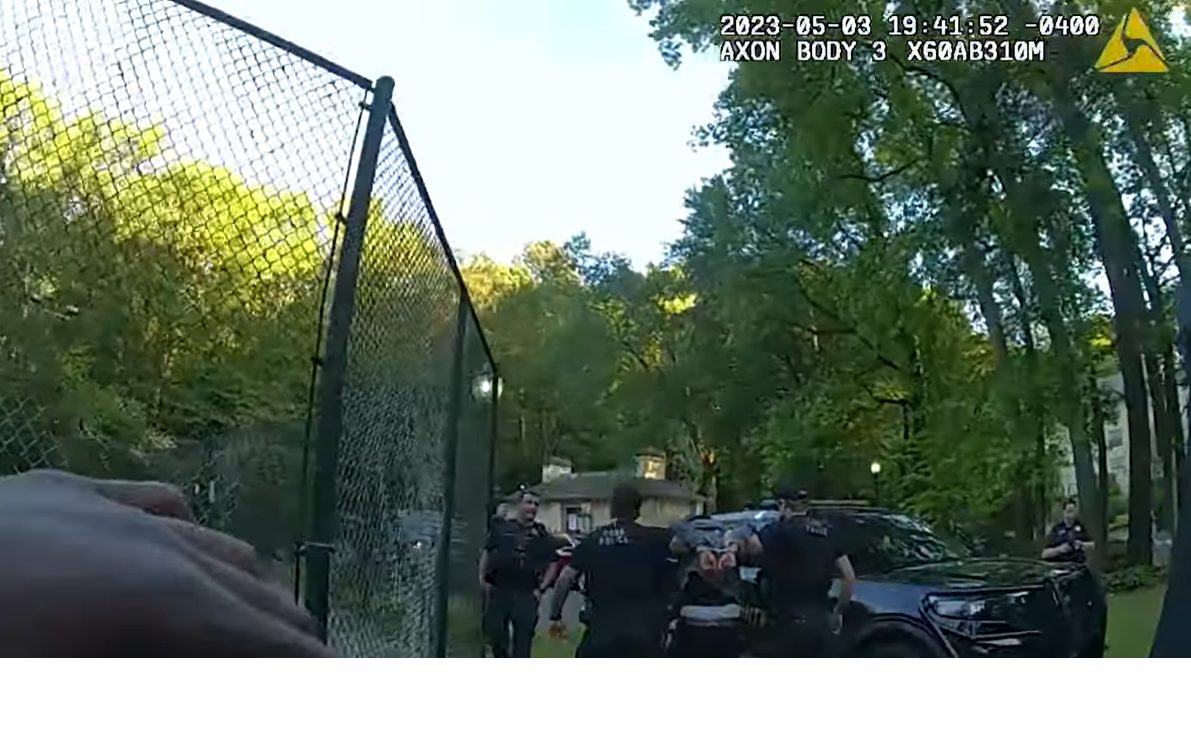
The recent wrongful arrest of Trevis Williams in New York has reignited debate within law enforcement circles about the use of facial recognition technology in policing. Williams, a Black father, was jailed for two days after being falsely identified as a suspect in a sex crime. Cellphone data eventually cleared him, but the incident has already become a case study in the risks of leaning too heavily on automated systems without adequate human oversight.
For police professionals, the Williams case underscores the importance of understanding both the promise and the pitfalls of these tools. Facial recognition has been marketed for years as a force multiplier—capable of reducing investigative workloads, matching suspects quickly across databases, and providing leads that might otherwise take weeks or months to develop. Agencies from local departments to federal task forces rely on it to accelerate the pace of investigations. But the Minneapolis and New York cases show that the margin for error, particularly with communities of color, remains a point of vulnerability that can damage public trust.
Three vendors dominate much of the conversation. Clearview AI has become the most controversial player, offering access to a database of more than 20 billion images scraped from across the internet. Officers using the system can input a still image and generate investigative leads in seconds. The company defends its practices vigorously. As Clearview founder Hoan Ton-That told The New York Times, “There is a First Amendment right to public information,” framing the firm’s business model as legally protected and mission-critical for solving crimes.
NEC Corporation and Idemia approach the problem differently, focusing on high-volume, government-approved deployments such as border control, national ID programs, and citywide surveillance networks. Their systems are designed for scale, integrated with official databases, and promoted as highly accurate in controlled environments. Many agencies view them as safer bets than relying on image scraping, though challenges with misidentification and bias have not disappeared.
For law enforcement leaders, the lessons are clear. Facial recognition can be a powerful investigative aid, but it is not infallible. Departments must establish policies that treat algorithmic matches as leads, not definitive identifications. Training, human review, and corroborating evidence remain non-negotiable. Without these safeguards, the technology risks producing more incidents like Williams’s—undermining community trust, complicating prosecutions, and exposing departments to legal and reputational damage.
The broader policing community faces a choice: continue adopting facial recognition as a standard investigative tool, or slow deployment until safeguards catch up. Either way, agencies must weigh the operational advantages against the ethical and legal risks. For those tasked with protecting the public, the goal is not simply faster identification—it is accurate, defensible, and equitable policing in a world where technology is moving faster than the policies meant to govern it.
A Night with Drones and Digital Footprints: Two Policing Tech Stories That Hit Home
Aug 6, 2026
In the Field With Policing Tech: Two Systems That Actually Changed the Job
Jul 31, 2026