Heathrow and U.S. Hubs Deploy New CT Scanners to Slash Security Lines

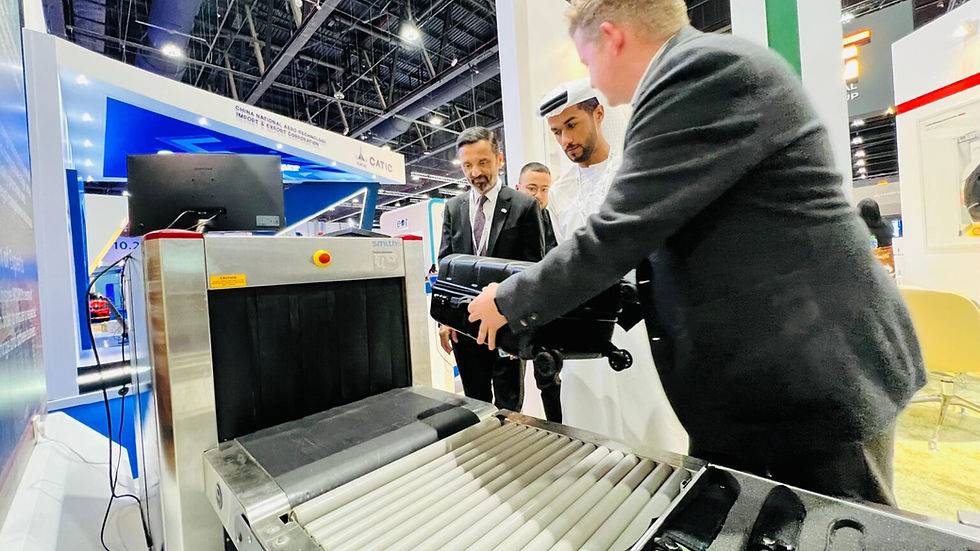
Global air travel is pushing past pre-pandemic highs, and airports are racing to upgrade checkpoint technology to keep pace. The latest deployments focus on CT-based carry-on baggage scanners, which generate 3D images of luggage contents and allow operators to rotate and inspect items digitally.
At Heathrow Airport in London, as well as at hubs in Amsterdam and Frankfurt, the new scanners are gradually replacing legacy x-ray machines. The change means passengers will no longer have to remove laptops and liquids from their bags, a shift expected to cut wait times dramatically during peak hours.
In the United States, the Department of Homeland Security is backing similar rollouts, pairing CT scanners with automated tray-return systems and upgraded body scanners. Officials say the aim is to reduce bottlenecks and improve detection rates for explosives and non-metallic threats. Early trials indicate faster throughput without compromising reliability.
Major vendors—including Smiths Detection, Rapiscan, and Leidos—are supplying the systems. Many incorporate AI algorithms to help reduce false alarms, a long-standing source of slowdowns at checkpoints.
An aviation security executive involved in one U.S. deployment, speaking anonymously, told Security Guys: “These systems are about speed and accuracy. With today’s passenger volumes, sticking with old equipment would mean constant delays and frustrated travelers.”
The investments mark a decisive shift: airport security is being reshaped by automation, with the dual promise of stronger detection and smoother passenger flow as travel volumes continue to climb.