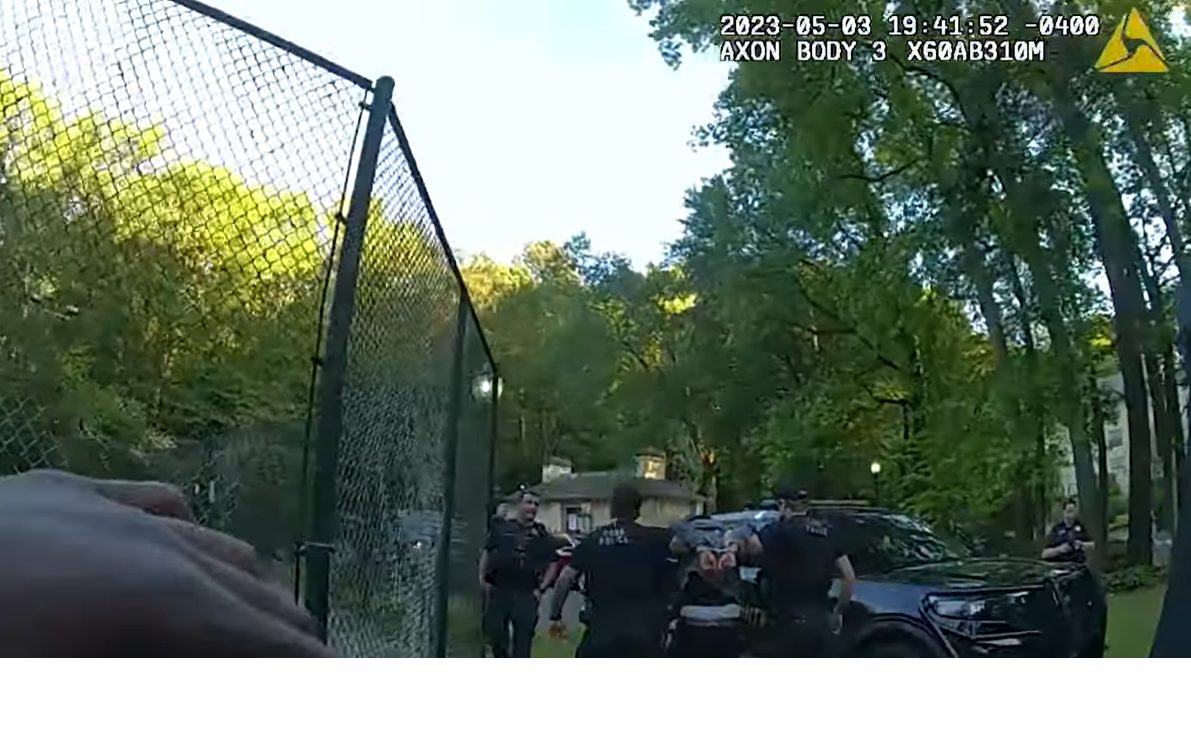

On-Duty Security Guard Charged with Assault After Using Brass Knuckles on Alleged Shoplifter in Winnipeg
 By Sarah o'Neill · Aug 24, 2026 · 3 min read
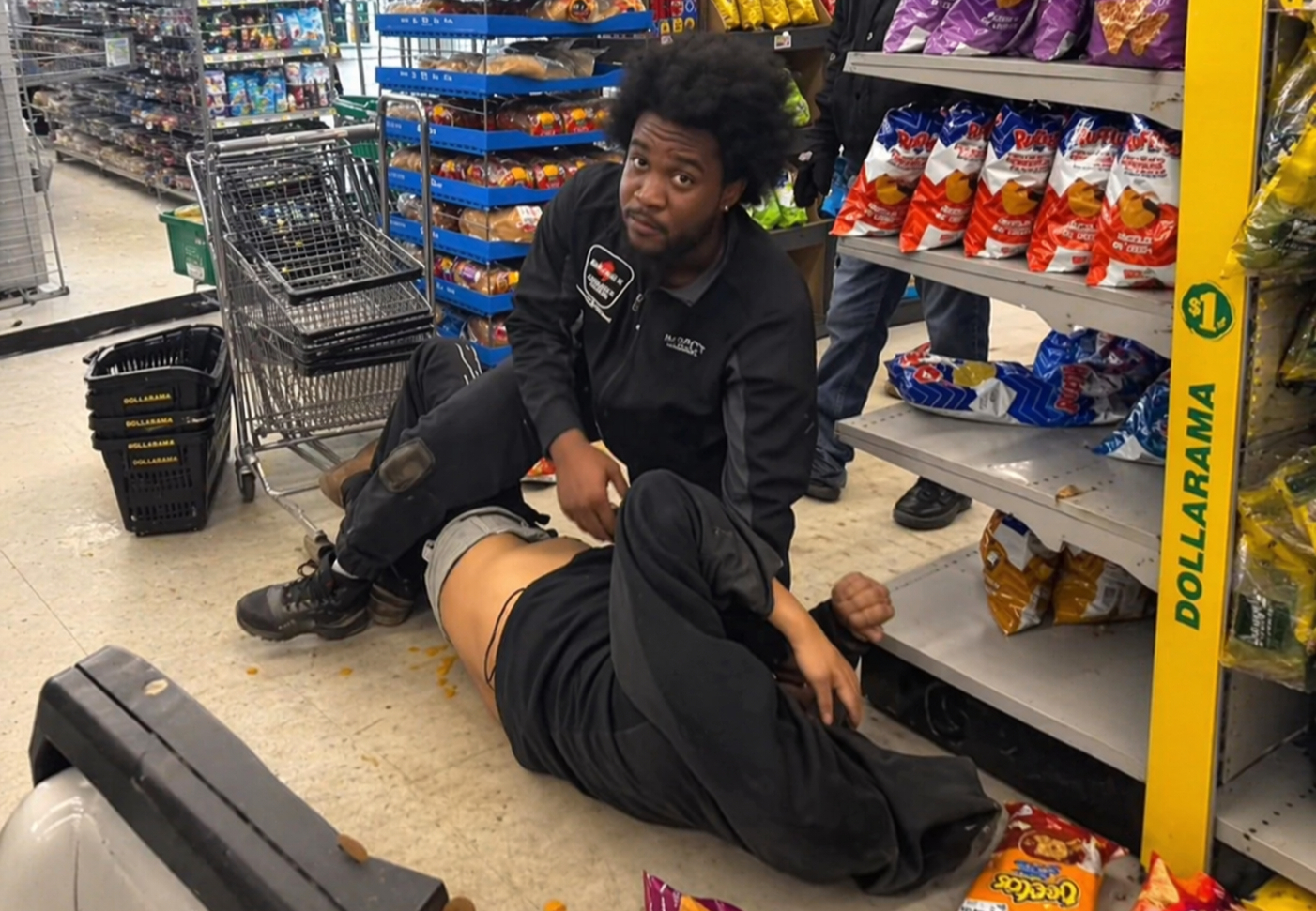
A 23-year-old security guard in Winnipeg has been charged with assault with a weapon, uttering threats, and possession of a prohibited weapon after an incident at a downtown Dollarama store. According to police, the guard confronted a 46-year-old man suspected of shoplifting approximately $95 worth of goods. The situation escalated when the suspect allegedly assaulted the guard and issued threats. In response, the guard used brass knuckles - a prohibited weapon - to subdue the individual, striking him while he was on the ground and threatening to kill him. Video footage of the incident, showing the guard punching and kicking the man, quickly circulated online, triggering public backlash, protests, and calls for investigation.
A Breakdown in Basic Compliance and Control
From a security management perspective, the incident reflects a systemic breakdown rather than an isolated lapse in judgment. The use of brass knuckles points to a fundamental gap in governance - prohibited weapons should never enter an operational environment. This raises questions about hiring protocols, screening procedures, and on-site supervision. Whether the weapon was brought intentionally or not detected, both scenarios indicate a failure of oversight.
From Routine Intervention to High-Risk Escalation
Equally concerning is the rapid escalation of force. What began as a standard retail theft intervention evolved into a violent confrontation. This suggests deficiencies in training, particularly around de-escalation and decision-making under pressure. In retail security, the primary objective is deterrence and loss mitigation - not physical domination. Once a situation crosses into sustained physical force, the operational objective has already failed.
Structural Gaps in the Role of Private Security
The incident also highlights the structural ambiguity of private security roles. Guards are often expected to act decisively in volatile situations, yet operate without the authority, training depth, or accountability frameworks of law enforcement. This gap creates inconsistent responses, especially when individuals are forced to make split-second decisions without clear operational boundaries.
Reputational Fallout and the Need for Oversight
Beyond the immediate event, the reputational and social impact has been significant. The circulation of the video and subsequent protests, including concerns raised by Indigenous community leaders, demonstrate how quickly a localized incident can escalate into a broader crisis. For organizations, this extends the impact from a single event to brand trust, community relations, and potential regulatory scrutiny.
There are also operational implications. Store closures, internal investigations, and resource diversion are direct consequences. More importantly, such incidents can shift how security programs are perceived internally - from protective assets to liability exposures.
Three areas require immediate attention for any organization reviewing similar risks.
First, strict enforcement of use-of-force policies. This includes absolute clarity on prohibited items, zero tolerance enforcement, and regular audits to ensure compliance.
Second, a shift in training priorities. De-escalation, situational awareness, and disengagement thresholds must take precedence over physical control techniques. Guards need clear guidance on when not to engage, not just how to engage.
Third, stronger oversight and accountability mechanisms. This includes structured incident reviews, clearer reporting lines, and where appropriate, the use of tools such as body-worn cameras to provide transparency and deterrence.
The Winnipeg case underscores a critical principle for modern security operations: effectiveness is not defined by the ability to overpower a suspect, but by the ability to manage risk without amplifying it. In high-visibility environments such as retail, every interaction carries operational, legal, and reputational consequences. Without clear controls and disciplined execution, security itself can become the primary source of risk.
A Night with Drones and Digital Footprints: Two Policing Tech Stories That Hit Home
Aug 6, 2026
In the Field With Policing Tech: Two Systems That Actually Changed the Job
Jul 31, 2026