
Schools Trial AI Weapon Detection Systems Amid Rising Safety Concerns
 By Paula Vettori · Apr 17, 2026 · 2 min read
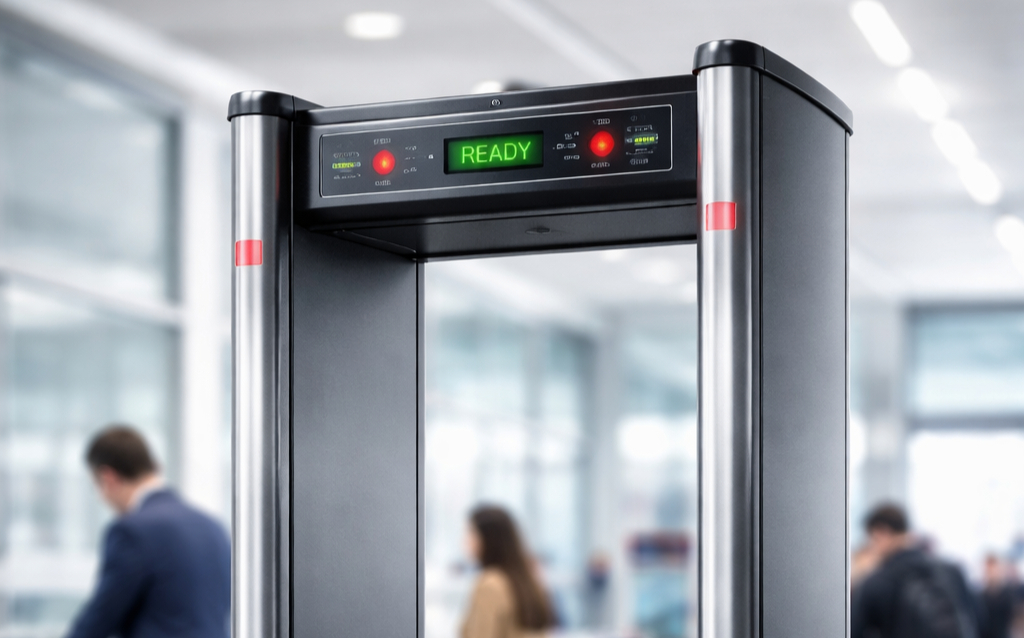
As incidents of violence in public and educational spaces climb, administrators are under pressure to deploy advanced technologies capable of detecting weapons before tragedy strikes. Traditional metal detectors and manual searches are proving insufficient. In response, several U.S. school districts are piloting AI-based weapon-detection systems that analyze video feeds and sensor data to identify threats—and notify authorities—within seconds.
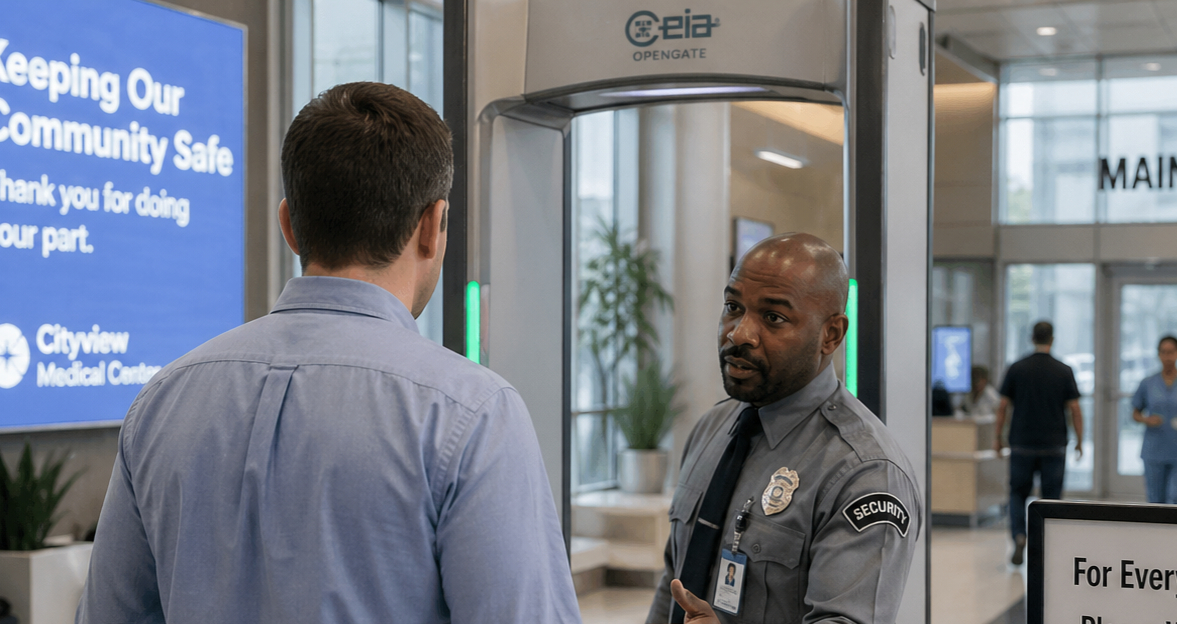
One such example is unfolding in East Alton-Wood River, Illinois, where the district introduced an Evolv Weapon Detection System during the 2024–25 school year after a student was found carrying a gun on campus. The system scanned more than 17,600 entries and issued 3,248 alerts in its first year—yet only three contraband items were confirmed: an airsoft gun magazine, a vape, and one unspecified object. School officials attribute the over 99% false-positive rate to benign items like umbrellas, three-ring binders, and sports gear. Despite the inaccuracies, the system prompted precautionary searches of students’ backpacks after each alert.
“We practice our system every single day; we don’t just assume that it works,” said EAWR principal Leigh Robinson during a school board meeting reviewing the performance data.
Meanwhile, in Putnam City Schools in Oklahoma, administrators launched ZeroEyes—an AI-driven platform that detects firearms via existing security cameras and alerts a monitoring center staffed by trained military and law enforcement veterans. The district funded the rollout through a 2025 Innovation Bond. ZeroEyes not only identifies brandished weapons in as little as three to five seconds but also delivers real-time visual intelligence to campus police and first responders.

An anonymous school safety coordinator, speaking on background, characterized the shift: “Weapon detection isn’t just about logging incidents—it’s about giving us advance warning so we can act before an event evolves into a crisis.”
These pilot deployments highlight the emerging trade-offs in choosing high-tech safety tools: increased threat detection capability on one hand; potentially high false-alarm rates and the subsequent strain on resources on the other. As districts weigh these factors, the critical question becomes how to balance proactive security with practical effectiveness—especially when every second and every alert can matter.