
Portable Screening Gains Momentum as Fixed Checkpoints Show Their Limits
 By Ellie Goldman · Apr 2, 2026 · 2 min read
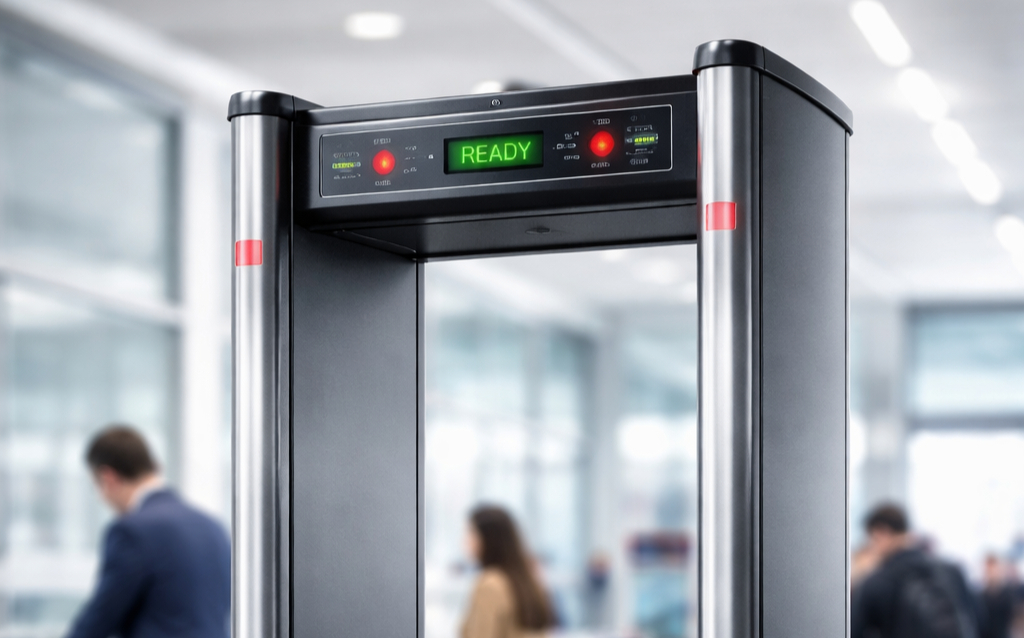
Security managers are increasingly questioning the limits of traditional fixed checkpoints. Recent incidents at schools, stadiums, and public meetings have underscored the vulnerabilities that appear during high-traffic transitions—morning arrival, dismissal, or pre-event surges—when static lanes create bottlenecks or miss risks altogether.
In a written reply to Security Guys, Luca Cacioli, CEO of CEIA USA, said the demand is being driven by three forces: simplicity, mobility, and cost. “Simplicity is crucial in physical security today as it enables organizations to implement effective security measures that are easy to maintain and operate,” he noted. Systems that are too complex, he added, can create vulnerabilities rather than close them.

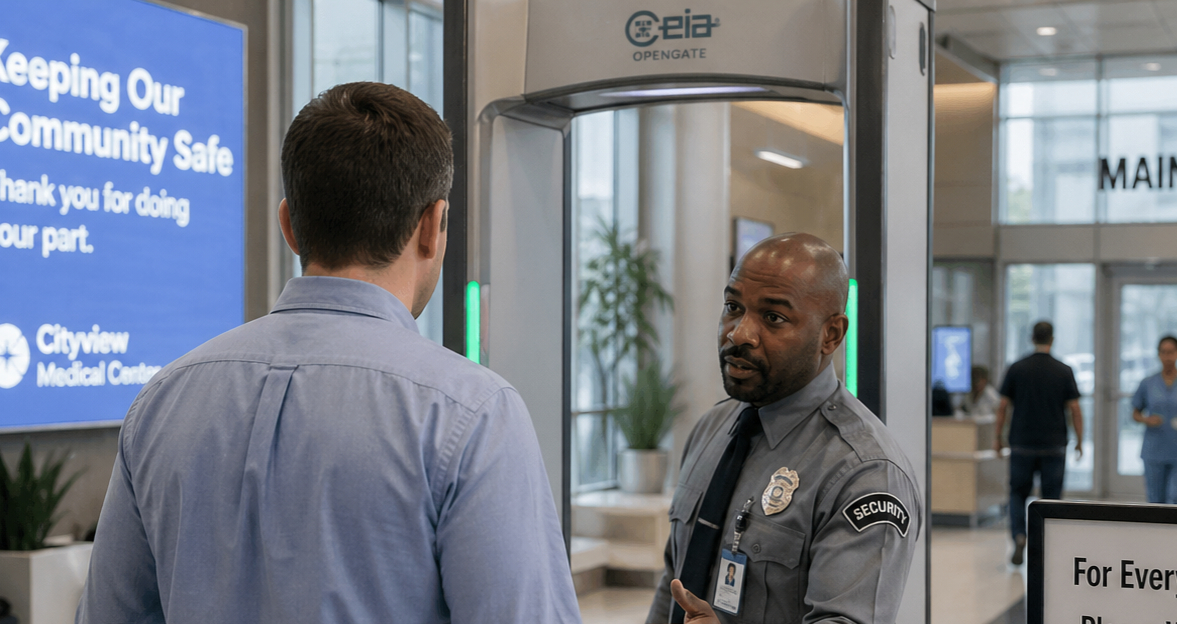
CEIA’s OPENGATE system has been deployed to address those gaps. In Lee County, Florida, district leaders reported a 39% drop in school-related incidents after adoption. In Fairfax County, Virginia, OPENGATE is now used at school board meetings where tensions sometimes run high. Stadiums are testing it too: at M&T Bank Stadium, the Baltimore Ravens said the technology has made entry “smoother, faster, and more reliable.”
Competitors are also advancing in this space. Athena Security is pairing weapons detection with AI-assisted X-ray tools aimed at healthcare facilities, while Xtract One has focused on education and university deployments, offering systems designed to avoid metal detector-style bottlenecks. Each is pursuing the same mix of mobility, operational ease, and lower ongoing costs.
Cacioli emphasized that the real shift is away from static, single-use lanes: “Expect more organizations to reallocate screening assets across the day or event timeline—arrival, dismissal, and high-traffic gates—instead of buying only fixed lanes.” He pointed to broader use cases from auditoriums and community events to large-scale entertainment venues.
For security professionals, the trendline is clear. Screening is no longer just about accuracy—it’s about flexibility, integration, and sustainability. The next wave of adoption will favor systems that can be deployed quickly, operated by non-specialist staff, and scaled without inflating budgets.
Industry insider with a story to share? For tips, leaks or anonymous sourcing: Editor@SecurityGuysNews.com